What Is Afternoon Tea? Menu, Etiquette, and How to Host
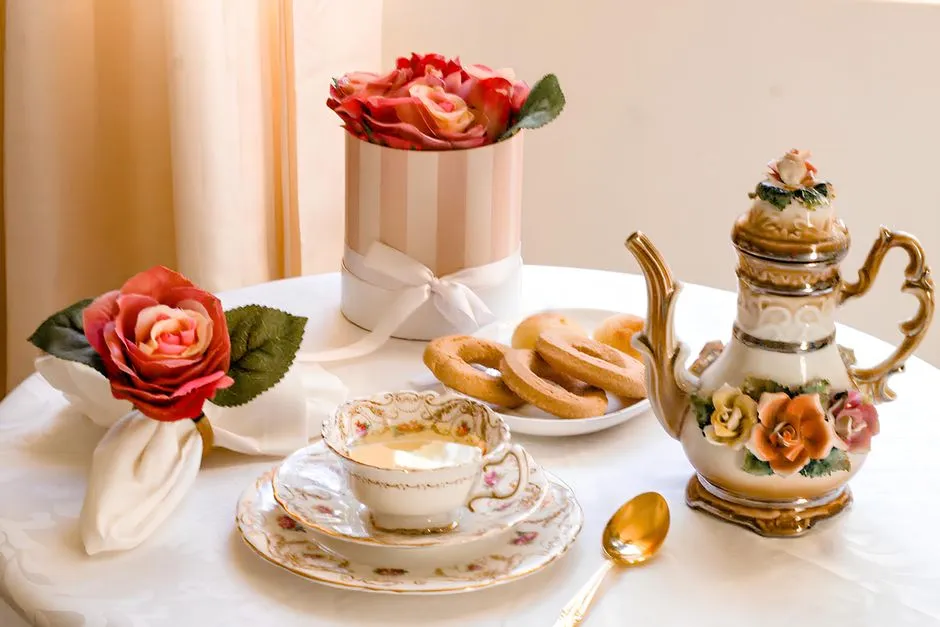
What Is Afternoon Tea?
Afternoon tea is a light meal served in the mid-afternoon, traditionally between about 3 and 5 pm, built around three things: dainty savoury sandwiches, warm scones with jam and cream, and small sweet pastries or cakes, all accompanied by pots of freshly brewed tea. It began as a British custom in the 1800s and survives today both as a hotel and tearoom ritual and as one of the most rewarding parties you can host at home.
It is not a heavy meal and it is not dinner. Afternoon tea sits deliberately between lunch and the evening meal — enough food to feel like an occasion, light enough that you still want supper. That in-between quality is the whole point, and it shapes everything from the menu to the portion sizes.
This guide covers where afternoon tea comes from, how it differs from high tea (they are not the same thing), what belongs on each tier of the stand, the etiquette that actually matters, and a practical plan for hosting one at home.
A short history, told honestly
The custom is usually traced to Britain in the 1840s, and the story most often told credits Anna, Duchess of Bedford, with ordering tea and light refreshments to bridge the long gap between lunch and a fashionable late dinner. That attribution is repeated so widely that it has become part of the tradition itself — but like many food origin stories, the tidy single-inventor version is hard to verify precisely. What is well established is the broader picture: by the mid-to-late 1800s, afternoon tea had become a fixture of upper- and middle-class British social life, with its own dress, tableware, and rituals.
From there it spread through hotels, tearooms, and home entertaining across Britain, Ireland, and much of the former British Empire, and it remains a living tradition rather than a museum piece. The modern three-tier stand, the cream-and-jam scone debate, and the champagne "royale" upgrade are all later layers on that Victorian foundation.
Afternoon Tea vs High Tea: What's the Difference?
This is the most common point of confusion, and the names are genuinely misleading. Afternoon tea is the light, elegant one. High tea is the hearty, practical one.
The names refer to furniture, not grandeur. Afternoon tea was taken in low armchairs and sofas around low side tables — hence its other name, "low tea." High tea was eaten at the high dining table, because it was a real evening meal: historically the working family's supper of hot, substantial food served with a pot of strong tea.
| Afternoon tea | High tea | |
|---|---|---|
| Time of day | Mid-afternoon, roughly 3–5 pm | Early evening, after work |
| Character | Light, social, an occasion | Hearty, practical, a meal |
| Typical food | Finger sandwiches, scones, small pastries | Hot dishes — pies, cold meats, eggs, bread, cheese |
| Origin | Leisured classes, 1800s Britain | Working households, 1800s Britain |
| Table | Low tables, armchairs | The main (high) dining table |
If a hotel abroad advertises "high tea" with tiered stands and finger sandwiches, it is almost certainly serving afternoon tea under the grander-sounding name. Nobody will mind — but now you know the difference.
You may also see cream tea on menus, especially in the West Country of England: that is the simplest version of all, just scones with clotted cream and jam, served with tea. Think of it as afternoon tea's middle tier on its own.
What to Serve at Afternoon Tea: The Classic Menu
The traditional service uses a three-tier stand, and the classic order of eating runs from the bottom up: savouries first, scones second, sweets last. Each tier has its own logic.
Bottom tier: finger sandwiches
Sandwiches for afternoon tea are small, crustless, and delicate — cut into fingers, triangles, or rounds, with thin bread and restrained fillings. The classics endure because they are light and clean-tasting:
- Cucumber with lightly salted butter or cream cheese — the icon of the genre
- Egg mayonnaise with cress
- Smoked salmon with lemon or dill
- Coronation-style chicken or plain chicken with a little mayonnaise
- Ham and mustard
Two practical rules: butter the bread edge to edge (it waterproofs the crumb against moist fillings), and cut the crusts off after filling, so the edges stay neat. Plan on 4–6 sandwich fingers per guest.
Middle tier: scones, jam, and cream
Scones are the heart of afternoon tea, and they are dramatically better served warm and fresh — bake them the day of the party if you possibly can. A tall, even rise comes down to method more than magic; our full guide to making scones that rise tall walks through the ratios and the handling that make the difference.
Serve them with strawberry (or raspberry) jam and thick cream — clotted cream if you can get it, softly whipped double cream if you cannot. As for whether jam or cream goes on first: Cornwall traditionally says jam first, Devon says cream first, and the debate is conducted entirely in good humour. Serve both and let guests take a side. Plan on 1–2 scones per guest.
Top tier: small sweets and cakes
The top tier is for petite sweet things, sized so a guest can try two or three: miniature tarts, macarons, small choux buns, fruit cake, shortbread, or neat slices of a larger cake. A classic Victoria sponge — jam and cream between two light vanilla sponges — is the single most fitting cake for a tea table, and cut into slim fingers it slots onto the stand beautifully. Plan on 2–3 small sweet items per guest.
The tea itself
The tea deserves as much attention as the food. A good baseline offering:
- One robust black tea — an English breakfast blend or Assam — brewed with water at or near a full boil (90–100°C) for about 3–5 minutes
- One fragrant or lighter option — Earl Grey or Darjeeling
- One caffeine-light option — a green tea (brewed cooler, around 70–80°C, for 1–3 minutes) or an herbal infusion such as peppermint or chamomile
Use freshly drawn water, warm the pot, and time the steep rather than guessing by colour. Getting temperatures and times right per type is genuinely the difference between good and bitter tea — our guide to brewing tea properly gives the full chart. Offer milk and sugar alongside, and lemon slices for those who prefer black tea without milk.
Afternoon Tea Etiquette (The Parts That Are Real)
Afternoon tea attracts a great deal of invented etiquette. Here is what is genuinely customary — and what you can safely ignore.
Worth observing:
- Eat from the bottom up: savouries, then scones, then sweets — the same logic as any menu, lightest-to-richest within the meal's own terms.
- Break scones with your hands, splitting them horizontally, rather than sawing with a knife. Spread each half as you eat it, not both at once.
- Stir gently, front to back (a 6-o'clock to 12-o'clock motion), and don't clink the spoon around the cup. Rest the spoon on the saucer, never in the cup.
- Don't wrap your hand around the cup — hold the handle between thumb and fingers.
- Napkin on your lap, folded loosely; dab rather than wipe.
- Milk before or after? Historically debated; today, adding milk after pouring is the more common convention because it lets you judge strength. Either is acceptable in any modern setting.
Safe to ignore:
- The raised pinky. Extending the little finger is a modern affectation, not historic etiquette — keep it curled in with the rest.
- Rigid dress codes at home. Smart hotels may request smart-casual dress; at your own table, "a bit more effort than a Tuesday" is plenty.
- Any rule delivered with a smirk. Afternoon tea is hospitality first. The only real rule is that guests feel comfortable.
How to Host Afternoon Tea at Home
You do not need a three-tier stand, heirloom china, or a scullery. You need a plan, and most of the work can be done before anyone arrives.
The make-ahead timeline
- A few days before: Confirm numbers and any dietary needs. Shop for tea, flour, butter, cream, jam, and sandwich fillings. Bake anything that keeps well — fruit cake and shortbread hold for days in a tin.
- The day before: Bake the sponge layers (fill on the day). Prepare sandwich fillings and store them covered in the fridge. Set the table, stack the plates, and check you have enough teapots, cups, and small plates or napkins.
- On the morning: Bake the scones. Whip cream if using whipped rather than clotted. Assemble the cake.
- In the last hour: Make the sandwiches (they dry out fast — assemble late and keep covered with a barely damp tea towel until serving). Lay everything out. Fill the kettle.
- As guests arrive: Brew the first pots. Warm scones briefly in a low oven if they have cooled.
Quantities per guest, at a glance
- 4–6 finger sandwiches
- 1–2 scones with jam and cream
- 2–3 small sweet items
- 2–3 cups of tea — so brew generously and keep the kettle going
For six guests, that is roughly 30 sandwich fingers (about one standard loaf), 9–10 scones (one batch), and one cake plus one tray of small biscuits or tarts. Err slightly over; a tea table should look abundant.
No tiered stand? No problem
The stand is theatre, not doctrine. Three separate plates — sandwiches, scones, sweets — arranged down the middle of the table work exactly as well, and arguably make passing easier. Mismatched china is charming; what matters is that cups have saucers (for the spoon and the drips) and every guest has a small plate and napkin.
Small touches that earn their keep
- Warm the teapot with a swirl of hot water before brewing — it keeps the tea hot noticeably longer.
- Label the pots if you're serving more than one tea, with a folded card or a ribbon on the handle.
- Offer one gluten-free or dairy-free option on each tier if a guest needs it, plated separately to avoid crumbs migrating.
- Put flowers low, not tall — guests need to see each other across the table.
The Short Version
Afternoon tea is a light mid-afternoon meal of sandwiches, scones, and sweets served with properly brewed tea — a British tradition from the 1800s that is easier to host than its reputation suggests. Keep the food small and the portions sensible, eat from savoury to sweet, brew each tea at its right temperature, and remember that the etiquette that matters is warmth, not pinkies. Bake the scones the morning of, make the sandwiches last, and pour generously.