Baking
Afternoon Tea Bakes: What to Make and Where to Start
For a first afternoon tea, choose scones, one cake and one biscuit rather than several unfamiliar recipes.
This collection covers the bakes that define the afternoon tea table: scones with a tall, even rise, sponge cakes with a tender crumb, and the small pastries and biscuits that fill the middle tier of the stand. Every method is written to be followed at the counter, with weights in grams, oven temperatures in both Celsius and Fahrenheit, and visual doneness cues alongside the clock. We care about why a bake works, not just the steps: what cold butter does in a scone, why overmixing toughens a sponge, and how ingredient ratios keep a recipe consistent when you scale it up or down. When a shortcut genuinely works we say so, and when a classic method earns its extra effort, we explain exactly what you get for it.
For a first afternoon tea, choose scones, one cake and one biscuit rather than several unfamiliar recipes.

Classic shortbread uses a 3-2-1 ratio by weight: three parts plain flour, two parts butter, and one part sugar.
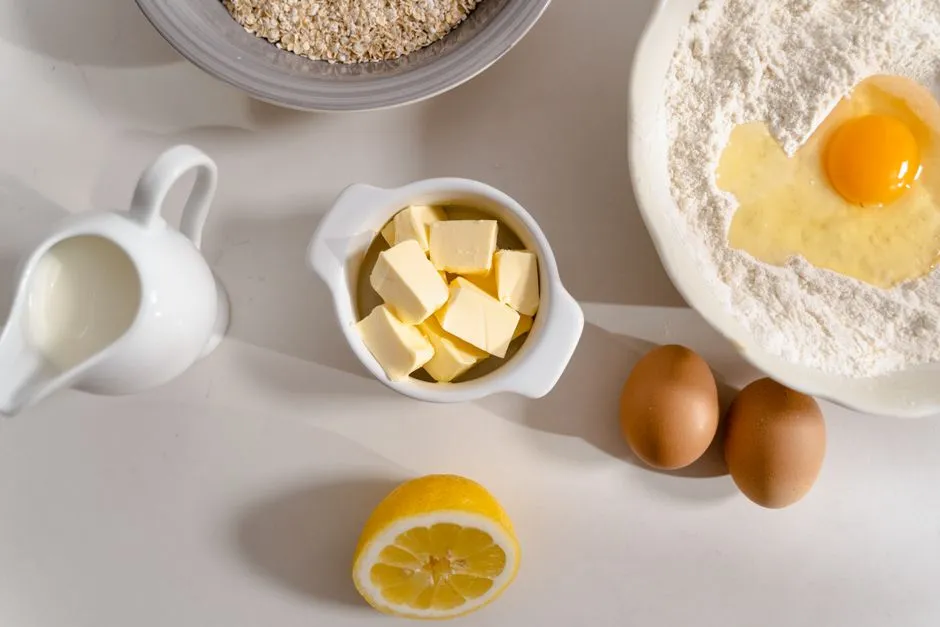
Make an equal-weights sponge: weigh four eggs, then use the same weight each of butter, sugar and self-raising flour.
For a classic tea loaf, soak 350g mixed dried fruit and 100g brown sugar in 250ml strong hot black tea, covered at room temperature, for at least 8 hours.
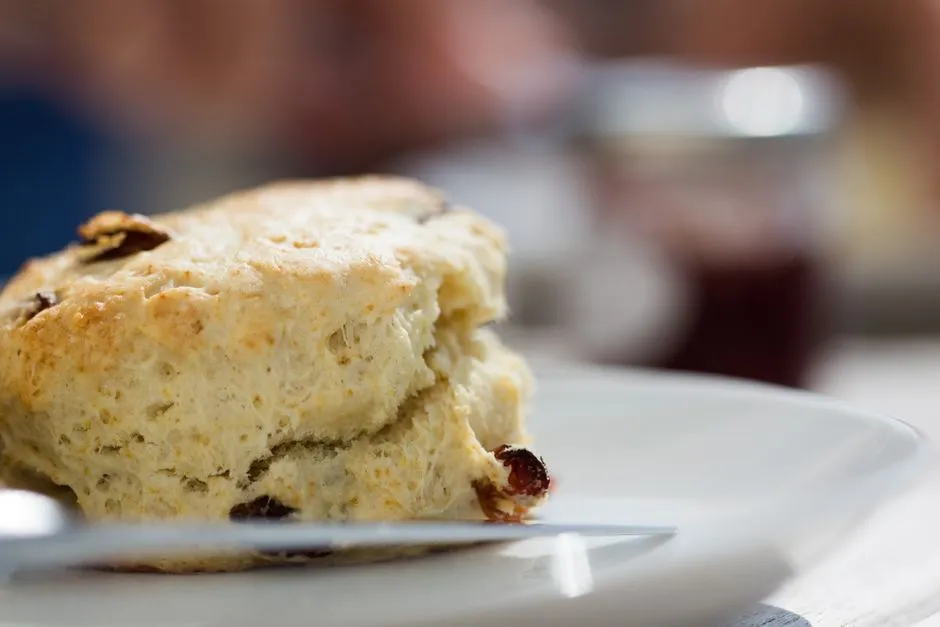
To make scones, rub cold butter into self-raising flour at a ratio of about one part butter to four parts flour, stir in a little sugar, then add cold…
Cool the cake completely, then seal it in an airtight tin, cake keeper or under a dome.
For a lemon drizzle loaf cake, cream 175g each of softened butter and caster sugar with the zest of 2 lemons, beat in 3 large eggs, fold in 175g…
For baking cakes and scones a few times a month, a hand mixer is enough: it creams butter and sugar for a sponge, whips cream and beats buttercream, then…
A classic Victoria sponge uses equal weights of eggs, butter, caster sugar, and self-raising flour: weigh 4 eggs in their shells, then match that weight…