How to Brew Tea Properly: Times and Temperatures by Type
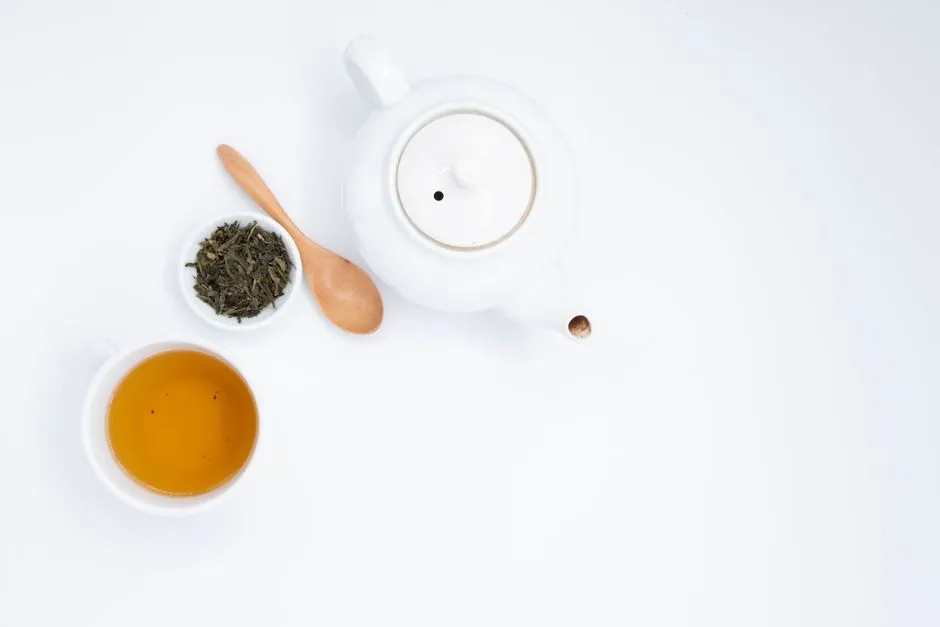
How to Brew Tea: Get Water Temperature, Leaf Quantity, and Time Right
Brewing tea properly comes down to three variables: water temperature, leaf quantity, and steeping time. Match the water temperature to the tea type — roughly 70–80°C (158–176°F) for green tea, 90–100°C (194–212°F) for black tea — use about one teaspoon of loose leaf (2–3g) per cup, and steep for the time the tea type wants, usually one to five minutes. Get those three right and almost any decent tea will taste good. Get one badly wrong and even an expensive tea turns bitter, flat, or watery.
That is the whole method in one paragraph. The rest of this guide explains the numbers for each type of tea, why they matter, and how to hit them without any special equipment.
Tea Brewing Temperature and Time Chart
Different teas come from the same plant, Camellia sinensis, but they are processed differently — and that processing determines how much heat and time each one can take. Delicate, finely rolled teas scald easily; fully oxidized teas need near-boiling water to open up.
Here are the widely agreed ranges. Treat them as starting points, then adjust to your own taste.
| Tea type | Water temperature | Steeping time | Notes |
|---|---|---|---|
| White | 75–85°C (167–185°F) | 3–5 min | Large, intact dried leaves; takes more heat than green |
| Green | 70–80°C (158–176°F) | 1–3 min | The easiest tea to ruin with boiling water |
| Oolong | 85–95°C (185–203°F) | 2–5 min | Sits between green and black; re-steeps well |
| Black | 90–100°C (194–212°F) | 3–5 min | Wants water at or near a full boil |
| Pu-erh (dark) | 95–100°C (203–212°F) | 2–4 min | Often given a quick rinse first |
| Herbal / fruit infusions | 100°C (212°F) | 5+ min | Dried fruit, flowers, and roots need a hard boil and a long steep to give anything up |
| Rooibos | 100°C (212°F) | 4–6 min | Naturally low in tannin, so it will not turn bitter however long it sits; takes milk well |
Two patterns are worth noticing. First, temperature broadly tracks oxidation: the darker and more oxidized the leaf, the hotter the water it wants. White tea is the standing exception — it is the least oxidized of the true teas, but it is dried as large, robust, largely intact leaves rather than finely rolled ones, so it needs slightly hotter water than green to extract at all. Second, herbal infusions and rooibos sit outside the pattern entirely: they contain no tea leaf, so you can pour boiling water over them and walk away without penalty.
Why Water Temperature Matters So Much
Water temperature controls which compounds come out of the leaf and how fast.
- Tannins and catechins — the compounds responsible for bitterness and astringency — extract quickly in very hot water. This is why boiling water makes green tea taste harsh and vegetal in the worst way.
- Amino acids and aromatic compounds — the sweetness and fragrance — extract happily at lower temperatures.
- Body and briskness in black tea depend on a fuller extraction, which is why cooler water leaves it tasting thin and dull.
So the rule of thumb: too hot extracts bitterness; too cool extracts nothing much at all. Green tea brewed at 100°C is bitter. Black tea brewed at 75°C is weak. Neither problem is the tea's fault.
How to Hit a Temperature Without a Thermometer
A variable-temperature kettle is convenient, but nobody needs one. The useful thing to know is that a kettle full of water cools slowly — only a few degrees a minute with the lid open, and slower still with it shut. That cuts both ways:
- For black tea, herbal infusions, and rooibos: use water at or just off a full boil. A short pause while you fetch the pot costs you almost nothing; it is a long wait — the kettle boiled and forgotten for a quarter of an hour — that drops you out of range.
- For oolong: boil the kettle, then wait a minute or two before pouring.
- For green and white tea: the fast, reliable route is to pour the boiled water into a cold cup or jug first. Transferring it into a room-temperature vessel knocks a meaningful amount of heat off immediately, and a short wait afterwards finishes the job. If you would rather just let the kettle stand with the lid open, allow closer to ten minutes — a few minutes will not get boiling water down to 70–80°C.
Exact cooling rates vary with your kettle, the volume of water, and the room, so the reliable habit is simple: for green tea, if the water is still audibly bubbling or steaming furiously, it is too hot. When in doubt, cooler is the safer error — a slightly under-extracted green tea is drinkable; a scalded one is not.
How Much Tea to Use
The standard starting ratio for loose leaf tea is one rounded teaspoon (roughly 2–3g) per 200–250ml cup. A few refinements:
- Big, fluffy leaves (many white teas and large-leaf oolongs) take up more space per gram — use a generous scoop, or weigh 2–3g if you have a small scale.
- Dense, broken leaves (many everyday black teas) pack tightly — a level teaspoon is plenty.
- Making a pot? Scale by cups: one teaspoon per cup. The traditional extra spoonful "for the pot" often just makes a modern pot tannic — try it without first, and add it back only if the result tastes thin.
If your tea tastes weak, resist the urge to steep longer — add more leaf instead. Extending the time mostly extracts more tannin, so you get bitterness before you get strength. More leaf, same time, gives you a stronger cup that still tastes clean.
How Long to Steep Tea
Steeping time is the variable people abuse most, usually by wandering off. A phone timer solves it.
- 1–3 minutes for green tea. Start at 2 minutes and adjust. Japanese greens like sencha often want the short end; Chinese greens tolerate a little longer.
- 3–5 minutes for black tea. Three minutes gives a brisk, clean cup; five gives a heavier one that stands up to milk.
- 2–5 minutes for oolong, and don't throw the leaves out — good oolong re-steeps two or three times, often tasting better on the second infusion.
- 5 minutes or more for herbal and rooibos. There is no tannin penalty, so steep to taste.
When the time is up, take the leaves out — lift the infuser, pour the tea off the leaves, or remove the bag. Tea left sitting on the leaves keeps extracting and drifts steadily toward bitterness. If you use a teapot without an infuser, decant the whole pot into cups or a second warmed pot rather than letting the last cup stew.
Loose Leaf vs. Tea Bags
Loose leaf tea generally uses larger, more intact leaves and gives them room to unfurl, which produces a more aromatic, more nuanced cup. Tea bags typically contain smaller broken grades that extract fast and strong — which is exactly what many people want at breakfast.
The honest position: a well-brewed bag of everyday black tea beats a badly brewed expensive loose leaf every time. The brewing rules above apply identically to bags — correct temperature, sensible time, bag out at the end. The one bag-specific rule: don't squeeze it. Squeezing wrings out the most tannic liquid in the cup for no meaningful gain in strength.
If you are moving to loose leaf, the equipment threshold is low: a basket infuser that gives the leaves room to expand, or a teapot and a small strainer. Cramped novelty infusers that trap the leaves in a tight ball defeat the main advantage of loose leaf.
Water, Milk, and the Finishing Touches
- Start with fresh, cold water. Freshly drawn water tastes livelier than water that has been boiled repeatedly, and if your tap water tastes strongly of chlorine, a simple filter noticeably improves the cup.
- Warm the pot or cup for black tea by swirling in a little hot water and tipping it out. Cold porcelain drops your carefully judged water temperature the moment you pour.
- Milk belongs with black tea only, by convention and by chemistry — it flattens the delicate aromatics of green, white, and fine oolong. Milk-first versus milk-after is purely personal preference; the tea does not care.
- Sugar, honey, lemon: to taste, with one caveat — lemon and milk together curdle, so choose one.
A Simple Routine to Brew By
- Fill the kettle with fresh cold water and boil it.
- While it heats, measure your leaf: one teaspoon (2–3g) per cup.
- Let the water cool if the tea type needs it — for green or white, pour it through a cold jug and then wait a few minutes; a minute or two for oolong; not at all for black or herbal.
- Pour, set a timer, and leave it alone.
- When the timer sounds, remove the leaves completely.
- Taste before adding anything, and note what you would change next time.
Six steps, no gadgets beyond a kettle and a timer. Once the numbers become habit, brewing properly takes no longer than brewing badly.
Tea rarely stands alone on the afternoon table, of course. If you are brewing for company, our guide to what afternoon tea actually is covers the menu, the order of things, and the etiquette worth keeping — and a pot of properly brewed black tea deserves warm scones that rise tall beside it. For more brewing guidance by style, browse the rest of our tea guides.
The short version to remember: cooler and shorter for green, hotter and longer for black, more leaf — not more time — for strength, and always take the leaves out. Everything else is refinement.