Caffeine-Free Tea for Afternoon Tea: What to Offer Guests
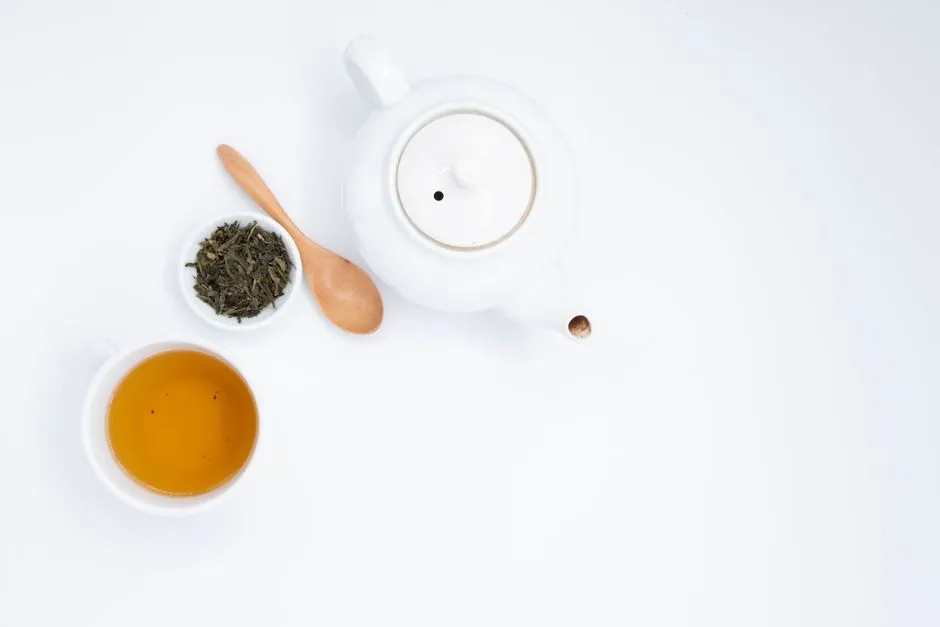
- What caffeine-free tea should you serve at afternoon tea?
- Which drinks are actually caffeine-free, and which are only decaf?
- How do you brew them compared with black tea?
- Which caffeine-free tea goes with which cake?
- What about the cakes themselves?
- How do you present caffeine-free options so they feel like a choice?
- Sources
What caffeine-free tea should you serve at afternoon tea?
The three caffeine-free teas that work hardest at afternoon tea are rooibos, peppermint and chamomile. Rooibos is the one to choose if you only buy one, because it takes milk and sits happily beside scones and cream. Peppermint cuts through rich bakes, and chamomile suits lighter sponges. All three are brewed with freshly boiled water, like black tea; rooibos wants a longer steep, while peppermint and chamomile take about the same three or four minutes. Decaffeinated black tea is a fourth option, but it is low in caffeine rather than free of it, so label it "decaf".
Offer one or two of these as a proper pot, named on a card, and nobody at the table ends up sipping hot water while everyone else has tea.
Which drinks are actually caffeine-free, and which are only decaf?
This is the distinction that matters most to a guest who has asked, so get it right before you shop.
Herbal and fruit infusions, sometimes called tisanes, are drinks made from herbs, flowers and fruit rather than the tea plant. The UK Tea & Infusions Association explains that they "are not actually tea as they are not derived from the tea plant" (UK Tea & Infusions Association). True teas, meaning black, green, white and oolong, all contain caffeine; Twinings states that "Herbals like Peppermint and Camomile are naturally caffeine free because they do not come from the tea plant" (Twinings FAQs).
Rooibos is a South African herbal infusion, and the South African Rooibos Council states plainly that "Rooibos is naturally caffeine free" (SA Rooibos Council).
Not every infusion is caffeine-free. The same UK Tea & Infusions Association page notes that some "do contain caffeine such as yerba mate, or those containing Guarana or cola nut," along with "infusions made with cocoa husks or blossom from citrus plants." Fruit blends sometimes include black or green tea too. Read the ingredients on any blend before you call it caffeine-free.
Decaffeinated tea is real tea with most of the caffeine removed. The British Heart Foundation explains that decaf tea and coffee "are not completely caffeine-free," and that decaf tea "should contain 96 per cent less caffeine than regular tea, around 2mg per 200ml cup" compared with "50mg in regular tea" (British Heart Foundation). That suits a guest who simply wants a lighter afternoon. For a guest who needs no caffeine at all, pour a herbal infusion.
If a guest is pregnant, the NHS advises to "avoid drinking more than 4 cups of herbal tea a day" and to "avoid teas containing liquorice root" (NHS). Check the ingredients list on any blend you put out, and leave anything beyond that to her midwife or doctor.
How do you brew them compared with black tea?
The good news for a busy host: every one of these uses the same kettle you are already boiling for black tea. No thermometer, no waiting for water to cool, as you would for green tea. The difference is mostly in the timing.
| Drink | Water | Steep | Milk? |
|---|---|---|---|
| Black tea, regular or decaf | 90-100C | 3-5 min | Yes, if wanted |
| Rooibos | 100C, freshly boiled | At least 5 min | Yes, if wanted |
| Peppermint | 100C, fully boiling | 3-4 min | Usually not |
| Chamomile | 100C | 3-4 min | Usually not |
| Fruit infusions | Freshly boiled | Follow the packet | Usually not |
The rooibos figures come from The Tea Makers, which says to pour "freshly boiled water (100°C) directly over the leaves" and "infuse for at least 5 minutes" (The Tea Makers: rooibos). For peppermint, the same company advises 2-3g of loose leaf per 200ml and to "Steep peppermint tea for 3-4 minutes" (The Tea Makers: peppermint). For chamomile, it gives 1 to 2 grams of blossoms per 200ml, water at 100C and a 3 to 4 minute steep (The Tea Makers: chamomile). For fruit and herbal infusions generally, the UK Tea & Infusions Association says to "always prepare the drink first with freshly boiled water" unless the packet is labelled as a cold brew. Decaf black tea brews exactly like regular black tea; our guide to brewing tea properly has the full chart.
Two practical points. Brew herbal pots in their own teapot if you can, because peppermint in particular can leave its scent behind. And if you are using bags, one per cup is the starting point.
Which caffeine-free tea goes with which cake?
These pairings are our own editorial suggestions, built on how each drink tastes and how it is served.
- Rooibos with scones, jam and clotted cream. The SA Rooibos Council describes its flavour as "slightly sweet and fruity", and many drinkers take it with milk, so it does the job a breakfast tea does beside tall, buttery scones. It is also the natural caffeine-free pour with a fruit tea loaf.
- Peppermint after the rich things. Served clear, without milk, it resets the palate after cream, buttercream and a second slice of shortbread.
- Chamomile with light sponges. The Tea Makers describes its "soft apple like notes", and it recommends drinking it without milk. That gentleness suits a Victoria sponge rather than anything heavily spiced.
- Fruit infusions with lemon bakes. A tart fruit or berry blend served clear sits well beside a lemon drizzle loaf, sharp alongside sharp.
- Decaf Earl Grey or decaf breakfast tea for the guest who wants the familiar flavour and milk in the cup.
What about the cakes themselves?
Check the bakes as well as the teapots. A coffee and walnut cake is made with real instant coffee in the sponge and the buttercream, and coffee contains caffeine. A fruit tea loaf soaked in black tea carries that tea into the crumb. If a guest has told you they avoid caffeine, mention both, and consider soaking the tea loaf fruit in rooibos instead.
How do you present caffeine-free options so they feel like a choice?
The easy mistake is treating the herbal option as an afterthought: a mug and a bag from the back of the cupboard. A few small things fix that.
- Give it a real pot. Brew it in a teapot and set it on the table with the black tea, not in the kitchen on request.
- Label every pot. A folded card reading "Rooibos, caffeine-free" or "Earl Grey, decaf" means nobody has to ask, and nobody confuses decaf with caffeine-free.
- Put out what each one needs. Milk beside the rooibos and black tea; honey and lemon slices beside the peppermint and chamomile.
- Offer it to everyone. Plenty of guests switch to a herbal pot later in the afternoon once they have had two cups of black tea.
One caffeine-free pot, ready when the black tea is, is usually enough.
Sources
- UK Tea & Infusions Association: FAQs about infusions
- Twinings: FAQs
- South African Rooibos Council: FAQ
- British Heart Foundation: Is decaf tea and coffee bad for you?
- NHS: Foods to avoid in pregnancy
- The Tea Makers: How to brew rooibos
- The Tea Makers: How to brew peppermint tea
- The Tea Makers: How to brew whole chamomile blossom tea