How to Make a Pot of Tea for Guests: Amounts and Timing
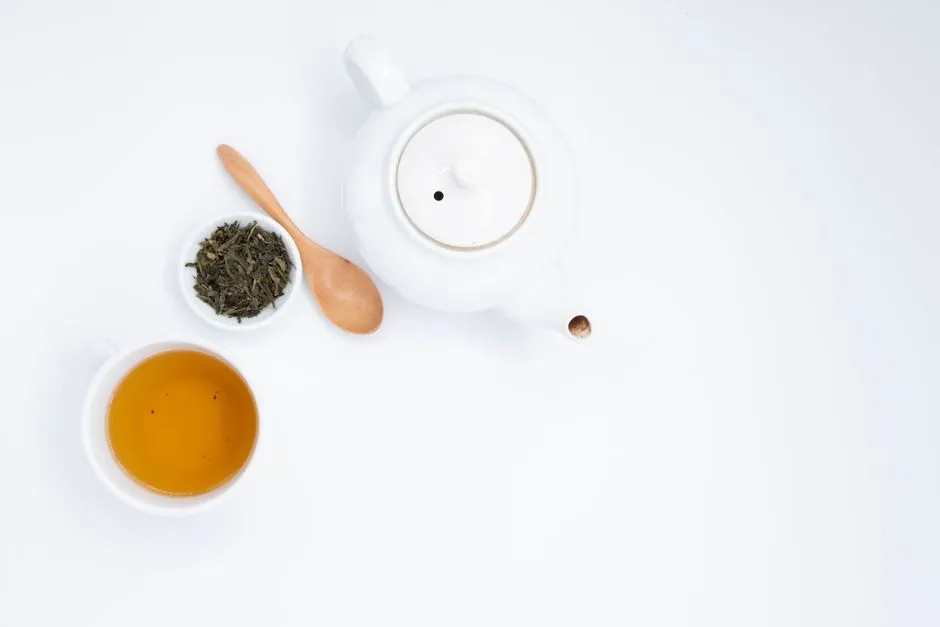
- How do you make a pot of tea for guests?
- How much tea do you put in a teapot?
- Why do you warm the teapot first?
- How long should a pot of tea brew?
- How do you stop a pot of tea from stewing?
- Do you need a tea cosy?
- How do you keep a second pot going?
- What is the timing that lets the host sit down?
- How do you serve a hot pot of tea safely?
- Sources
How do you make a pot of tea for guests?
To make a pot of tea, warm the teapot with a swirl of hot water and tip it out, add one teabag or one rounded teaspoon of loose black tea for each cup you plan to pour, then fill with freshly boiled water. Brew for three to four minutes, take the leaves or bags out (or pour the tea off them into a second warmed pot), and cover the pot with a tea cosy. That is the whole job. The rest is timing, so the host gets to sit down too.
A pot changes three things from a mug: the volume, how long the tea sits before the last cup, and carrying it to a full table.
How much tea do you put in a teapot?
Start from the rule the UK Tea & Infusions Association's chief executive gave in a set of brewing tips: "Use one teabag or one rounded teaspoon of loose tea for each cup or mug." For a pot, count the cups it actually holds, not the number of guests.
That means you need to know your pot. Fill it to where you would normally stop pouring, tip the water into a measuring jug, and divide by the cup size you serve in. With cups of about 200–250ml, a pot that holds 1 litre serves four to five cups, so it takes four or five bags or rounded teaspoons. Write the number down once and stop guessing.
Worth knowing:
- Twinings gives one tea bag per person, or one level teaspoon (2g) of loose leaf per person, and suggests an extra spoonful per person for milder white or green teas.
- George Orwell's 1946 essay A Nice Cup of Tea wanted it stronger: "For a pot holding a quart, if you are going to fill it nearly to the brim, six heaped teaspoons would be about right." A British quart is roughly 1.1 litres, so that works out to a heaped teaspoon for every 190ml or so.
- The old "one for the pot" is optional. Try the pot without it first. If the tea tastes thin, add it next time rather than leaving the tea to brew longer.
For stronger tea, add leaf, not minutes; longer brewing brings out bitterness before strength.
Why do you warm the teapot first?
A cold china pot takes heat straight out of the water you just boiled, and black tea wants water at or close to a full boil, around 90–100°C. Twinings recommends "warming your cup or pot by swirling a small amount of hot water in it before adding either the leaves or the tea bags."
The easy way to fit it in: when the kettle is nearly boiled, pour a splash into the pot, swirl, and tip it out. Then put the tea in and pour the rest of the kettle straight on. (Twinings takes a gentler line and suggests letting boiled water rest for about 2–3 minutes first; if a tea you like tastes harsh, try it their way.) Use freshly drawn cold water for the kettle; the same UKTIA tips note that "the lack of oxygen bubbles in re-boiled water can give the tea a flat taste."
Green tea is the exception: it wants cooler water, roughly 70–80°C. Our guide to brewing times and temperatures by type has the full chart.
How long should a pot of tea brew?
For most black teas, three to four minutes. The UKTIA tips say "Most black teas should be brewed for three to four minutes," with Lapsang Souchong tasting best after four to five. If you are using a particular tea, the box or pouch is a good guide; Twinings says its tasters' recommended brewing times are printed there.
Set a timer the moment the water goes in, then leave the pot alone. Lifting the lid to check only lets the heat out.
How do you stop a pot of tea from stewing?
Stewed tea is tea left sitting on its leaves until it turns dark, bitter and harsh. A mug is drunk in five minutes; a pot serving six lasts half an hour. The fix is to separate the tea from the leaves when the timer goes:
- Bags: lift them out with a spoon and put them on a saucer. Do not squeeze them.
- An infuser basket: a removable mesh basket that sits inside the pot. Lift it out when the time is up.
- Loose leaf straight in the pot: pour the whole pot through a tea strainer (a small mesh sieve that sits over a cup or jug) into a second, warmed pot. This is called decanting.
With one pot and loose leaf, pour everyone's first cup through a strainer as soon as the tea is ready; what stays on the leaves keeps getting stronger and more bitter.
Do you need a tea cosy?
You do not need one, but it is the cheapest way to let the host stay seated. A tea cosy is a cover for the teapot, traditionally made of cloth, and it insulates the pot, keeping the contents warm.
One rule: put the cosy on after the leaves are out. A cosy over a pot of leaves keeps it hot and keeps it brewing, which is how you get a stewed second cup.
How do you keep a second pot going?
A table of six can empty a 1-litre pot in one round, so plan for it.
- When the first pot is about half gone, refill the kettle with fresh cold water and put it on.
- Use fresh leaves or fresh bags for the second pot. Pouring new water on spent black tea leaves gives a weak, flat pot.
- If you decanted the first pot, the brewing pot is already empty and warm: rinse, add tea, pour, set the timer.
- A jug of hot water on the table lets people weaken a cup that has got too strong, without you getting up.
Two pots in turn, one brewing and one serving, is the easiest rhythm for a long afternoon. See what afternoon tea is and how to host it for the running order of the food that goes alongside.
What is the timing that lets the host sit down?
- Fifteen minutes before: set out cups, milk, sugar, strainer and cosy. Fill the kettle.
- Ten minutes before: put the kettle on and measure the tea.
- Kettle nearly boiled: warm the pot, tip it out, add the tea.
- Kettle boiled: pour, put the lid on, start a three-to-four-minute timer.
- While it brews: carry the food out, including warm scones that rise tall.
- Timer goes: remove the leaves or decant, then put the cosy on.
- Carry the pot to the table and sit down. Pour the first round from your seat.
How do you serve a hot pot of tea safely?
A full teapot is heavy and holds water close to boiling. Carry it with both hands, using a cloth if the handle is hot, and hold the lid while pouring.
If young children are present, keep the teapot and hot cups well back from the table edge and out of their reach. Northern Ireland's public information service, nidirect, states: "Fifteen minutes after they have been made, hot drinks can still scald young children." It also advises "never pass hot drinks over the heads of babies or children." Pour at the side of the table, not across people.
If someone is scalded, the NHS advises: "Hold the burn or scald under cool running water for 20 minutes." Go to A&E or call 999 if the burn or scald is very large or deep, or on the face, genitals or bottom. For a child under 5, the NHS says to call 111 if you need advice.