How to Store Cakes, Scones and Biscuits Ahead of Time
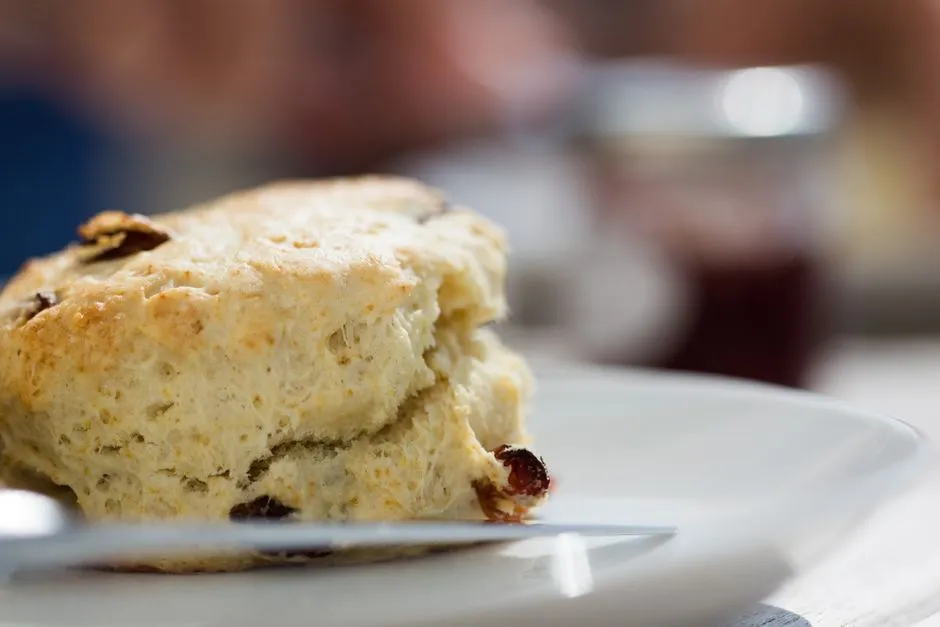
- How do you store cakes so they are still good tomorrow?
- Which cakes keep at room temperature, and which need the fridge?
- How should you wrap and box a cake?
- How do you store a sponge cake like a Victoria sponge?
- How do you keep scones fresh?
- Can you freeze scones?
- How do you refresh a scone that has gone soft?
- How do you store biscuits and shortbread?
- What order should you bake in so nothing is stale on the day?
- How long can a cream cake sit out on the table?
- Sources
How do you store cakes so they are still good tomorrow?
Let the cake cool completely, then seal it in an airtight tin, a cake keeper or under a cake dome. A plain sponge or a buttercream-iced cake is happy at cool room temperature for a day or two. Anything with fresh cream, cream cheese, custard or curd goes in the fridge and stays there until it is served. Unfilled sponge layers and scones both freeze well, which is the real secret to baking ahead without anything tasting tired on the day.
Which cakes keep at room temperature, and which need the fridge?
The filling and the topping decide, not the sponge. King Arthur Baking's cake storage guide sets out these windows:
| Cake | Room temperature | Fridge |
|---|---|---|
| Plain, unfrosted (loaf, Bundt, pound, bare layers) | 2 to 3 days | Up to 1 week |
| Iced with buttercream | Up to 2 days | Up to 1 week |
| Fresh fruit or jam on top or inside | 1 to 2 days | 3 to 5 days |
| Whipped cream, custard or curd | Do not store at room temperature | 3 to 5 days |
| Cream cheese or mascarpone, in the cake or the icing | Do not store at room temperature | 3 to 4 days |
When a cake mixes several of these, the same guide says to store it by its most restrictive element; its example is a cake with lemon curd filling, which has to live in the fridge for no more than five days.
UK guidance lines up with this. The Food Standards Agency's advice for community and charity events says cakes with moisture-rich additions such as cream added after baking "must be stored chilled (in the fridge) and eaten within the use-by date of the added product." It also notes that some icings, "such as ganache and buttercream," can be kept outside the fridge.
How should you wrap and box a cake?
Wait until it is fully cool. Wrapping a warm cake traps steam, and that steam turns into a damp, sticky top.
For a whole cake, a tin with a good lid or a cake dome is the easiest choice. King Arthur suggests sealing a cooled cake in a cake keeper, under a dome, or in plastic wrap, and for a cut cake it advises pressing plastic wrap directly against the cut sides before covering the rest. The cut face is where a cake dries out first, so that one small step buys you most of a day.
Keep cakes in a clean, sealable container away from raw foods, as the FSA guidance puts it. In the fridge, a lidded box also stops the sponge picking up the smell of onions or cheese on the next shelf.
How do you store a sponge cake like a Victoria sponge?
It depends on the filling. A jam-only or buttercream-filled sponge sits at room temperature in a tin; a sponge filled with whipped cream lives in the fridge from the moment it is assembled. Our Victoria sponge method covers the filling choices in detail.
The easiest way to serve a sponge that tastes freshly baked is not to fill it early. Bake the layers ahead, wrap each one, and assemble on the day. For freezing, King Arthur's method for unfrosted layers is to wrap the cooled cake tightly in a double layer of plastic wrap, then thaw it in the fridge overnight before filling or serving. It says whole cakes are usually best within three to four months of freezing.
How do you keep scones fresh?
Scones are at their best the day they are baked, and no storage trick fully changes that. If you do have leftovers, King Arthur's scone storage guide says to cool them, wrap them tightly and keep them at room temperature for up to several days; it suggests putting the wrapped scones in an airtight container or zip-top bag for extra protection.
A plain scone does not need the fridge. Split and filled scones are a different matter: once clotted cream or whipped cream goes on, treat them like any cream-filled bake and chill them. Better still, split and fill at the table.
Can you freeze scones?
Yes, and there are two ways to do it.
Unbaked scones. This is the better route for a host. King Arthur's guide to freezing scones says freezing works best at the point where they are shaped but not yet baked: freeze the shaped dough until solid, then wrap it tightly and seal it in an airtight bag. Its scone storage guide says shaped scones keep, frozen, for up to three weeks, and can be baked straight from the freezer, adding 5 to 10 extra minutes to the bake time listed in the recipe. Our scone method gives its own from-frozen timing for that recipe, so follow the timing that belongs to the recipe you are using.
Baked scones. These freeze too, once completely cool, sealed in a freezer bag or airtight box. They are fine for a weekday breakfast, but for guests, frozen unbaked dough gives the fresher result.
How do you refresh a scone that has gone soft?
Warm it through. King Arthur's instruction is to bake leftover scones for 5 to 10 minutes in a preheated 350°F (about 175°C) oven, tented with foil so they do not brown too much. For a single scone, it suggests the microwave in 15-second bursts until warm and soft, though a microwaved scone will not get its crisp outside back.
How do you store biscuits and shortbread?
Keep them in their own airtight tin, never in the same box as a cake. A crisp biscuit sitting next to a moist sponge draws moisture from it and goes soft, while the cake edge dries out. Separate layers with baking parchment.
Shortbread is the most forgiving bake on the tea table. Our shortbread recipe explains how cooled pieces keep in an airtight tin for about a week, which makes it the obvious thing to bake first.
What order should you bake in so nothing is stale on the day?
Work backwards from the bakes that keep longest to the ones that do not keep at all. This is the order we suggest for a host baking a day or two ahead:
- Several days before: bake the shortbread and any plain loaf cake. Tin them separately.
- The day before, or earlier from the freezer: bake the sponge layers, cool and wrap them unfilled. If they are frozen, move them to the fridge the night before so they thaw overnight.
- The morning of: fill the sponge. If the filling is fresh cream, fill it as late as you can and put it straight back in the fridge.
- The last hour: bake the scones, from fresh dough or from frozen unbaked rounds, so they reach the table warm.
If you only have one morning on the day, the scones are the item to protect, because they are the one bake that truly does not keep. Our guide to what afternoon tea is and how to host it covers the rest of the day-before list, from sandwiches to teapots.
How long can a cream cake sit out on the table?
As short a time as possible. The FSA guidance says cheesecake and cakes or desserts with fresh cream should be out of the fridge for the shortest time possible, "ideally not longer than 4 hours." Set the table first, then bring out cream-filled bakes when guests sit down, and return any leftovers to the fridge straight after.
If a cream cake has been out of the fridge for longer than that, throw it away rather than chilling it again.